Sofa Cleaning in Your Home: A Practical, Professional Approach to Fresher Living Spaces
Sofa cleaning is one of the most important parts of maintaining a healthy, attractive, and comfortable home. Your sofa is often the most used piece of furniture in the house, which means it collects dust, food crumbs, pet hair, body oils, stains, and everyday odors faster than many people realize. Whether your upholstery is fabric, leather, microfiber, or suede, regular sofa cleaning can make a dramatic difference in both appearance and hygiene.
Many homeowners search for sofa cleaning in local areas because they want a simple way to refresh their living room without replacing expensive furniture. The good news is that proper sofa care does not have to be complicated. With the right cleaning methods, preventive habits, and occasional deep upholstery treatment, your couch can look better, smell fresher, and last much longer.
In this article, you’ll learn why sofa cleaning matters, how different materials should be cleaned, what methods work best for stains and odors, and how to keep upholstery in excellent condition over time. If your sofa has started looking dull or your living room no longer feels as inviting, this article will help you take the next step with confidence.
Why Sofa Cleaning Matters More Than Most People Think
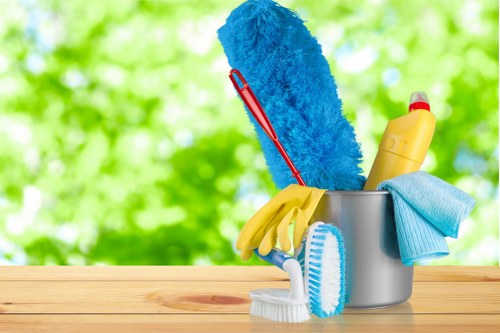
A sofa often becomes the center of daily life. People sit on it after work, children play on it, guests gather on it, and pets lounge on it. Because of all that use, sofa cleaning is not just about appearance; it is also about maintaining a healthier indoor environment. Upholstery fibers can trap dust, allergens, bacteria, and odors over time, creating a space that may feel less fresh than it appears.
Regular sofa cleaning also helps preserve the fabric and structure of the furniture. Dirt and grit can act like tiny abrasives, wearing down fibers with repeated use. That means a neglected sofa may fade, pill, or weaken faster than one that is maintained properly. In many cases, consistent cleaning extends furniture life by years.
Another major reason to prioritize sofa cleaning is comfort. A clean sofa feels better to sit on, looks more inviting, and contributes to a more polished interior. If you have ever walked into a room and immediately noticed a stale smell or visible stains on a couch, you already understand how strongly upholstery influences the overall feel of a home.
Common Sofa Problems That Require Attention

Sofas face a wide range of issues, and each one may require a different treatment. Stains from coffee, wine, juice, and sauces are among the most common complaints. These can become more difficult to remove if they are left untreated, especially on absorbent fabrics. Quick action is often the difference between a temporary mark and a permanent blemish.
Odors are another major concern. Upholstery can absorb smells from pets, cooking, sweat, smoke, and spills. Even when a sofa looks clean, it may still carry an unpleasant scent. A professional-level sofa cleaning process usually includes odor reduction because fresh-looking fabric is not enough if the couch still smells stale.
Dust and allergens are also common hidden problems. Fabric couches can trap pollen, pet dander, and fine particles that may affect indoor air quality. Deep sofa cleaning helps remove this buildup and creates a more comfortable environment, especially for households with allergy sensitivities or young children.
Different Sofa Materials Need Different Cleaning Methods

One of the biggest mistakes in sofa cleaning is treating every upholstery type the same way. Fabric, leather, microfiber, velvet, and synthetic blends all respond differently to moisture, heat, and cleaning products. Understanding the material is the first step toward protecting the sofa while achieving the best result.
Fabric sofas are popular because they are comfortable and available in many styles, but they often absorb spills quickly. They usually benefit from vacuuming, spot treatment, and occasional steam or extraction cleaning, depending on the manufacturer’s care code. Always check the tag before applying any liquid cleaner.
Leather sofas require a gentler process. Instead of heavy moisture, leather usually needs a soft cloth, a mild leather-safe cleaner, and conditioning to keep the surface from drying out or cracking. Using the wrong product can dull the finish or damage the protective coating.
Microfiber, Velvet, and Specialty Upholstery
Microfiber sofas can often be cleaned effectively with a small amount of water or alcohol-based cleaner, depending on the manufacturer’s recommendations. Velvet and specialty fabrics need especially careful handling because excessive rubbing can flatten fibers or create water marks. For these materials, professional sofa cleaning may be the safest route if the stains are severe.
How Professional Sofa Cleaning Works

Professional sofa cleaning services typically begin with an inspection. The technician checks the fabric type, the level of soiling, and any existing stains or problem areas. This inspection helps determine the safest and most effective cleaning method for the upholstery. Good service providers do not rely on a one-size-fits-all approach.
Next comes pre-treatment. Stains, heavily used armrests, and seat cushions are treated with specialized solutions that help loosen embedded dirt. This step is particularly important for deep sofa cleaning, because targeted pre-treatment improves the results of the main cleaning process.
The main cleaning method may involve hot water extraction, low-moisture cleaning, dry cleaning, or steam-based upholstery care, depending on the fabric. The goal is to remove dirt without over-wetting the sofa. After cleaning, the upholstery is often groomed to help the fibers dry evenly and look refreshed. This careful process is one of the reasons professional sofa cleaning often produces a noticeably better result than surface cleaning alone.
DIY Sofa Cleaning: What You Can Do at Home
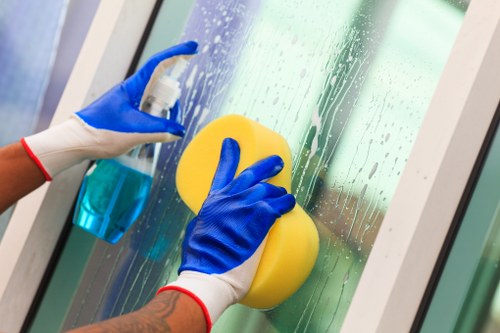
Home maintenance plays a big role in keeping your sofa presentable between professional cleanings. A consistent routine can prevent buildup and make stain removal much easier. One of the simplest and most effective habits is regular vacuuming. Use an upholstery attachment to remove dust, crumbs, pet hair, and debris from the cushions, seams, and under the cushions.
For minor spills, act quickly. Blot the area with a clean, dry cloth instead of rubbing, which can push the stain deeper into the fabric. When appropriate, use a mild upholstery cleaner that is safe for your specific sofa material. Always test any product on a hidden area first to make sure it does not cause discoloration or damage.
Odor control can also be handled at home. Light sprinkling of baking soda on fabric upholstery may help absorb smells before vacuuming, but it should be used carefully and only if the material is compatible. For leather, use a soft cloth and leather-safe maintenance products instead. Regular home care supports the overall goal of effective sofa cleaning and helps reduce the need for urgent stain rescue later.
Simple Home Cleaning Habits That Make a Big Difference
- Vacuum the sofa weekly to reduce dust and crumbs.
- Rotate cushions to even out wear and fading.
- Blot spills immediately to prevent deeper staining.
- Keep pets off the sofa when possible, or use washable covers.
- Follow the manufacturer’s cleaning code before using any product.
Best Practices for Stain Removal
Stain removal is one of the most searched topics related to sofa cleaning, and for good reason. Spills happen quickly, but damage can last for a long time if the stain is handled poorly. The most important rule is to treat stains as soon as possible. Fresh stains are far easier to remove than old, set-in marks.
Different stains need different approaches. Water-based stains like juice or soda may respond well to gentle cleaning solutions and blotting. Oil-based stains often require a cleaner that can break down grease without spreading it. Ink, makeup, and pet-related stains may require stronger treatment or professional upholstery care.
Never scrub aggressively unless you are certain it is safe for the material. Scrubbing can damage the weave, spread the stain, and make the affected area look worse. A careful, step-by-step approach is much better. If a stain resists your best efforts, a professional sofa cleaning service can often restore the upholstery more effectively than repeated DIY attempts.
Stain Removal Tips by Type
- Coffee and tea: Blot quickly, use a mild upholstery solution, and avoid overwetting.
- Grease: Use a fabric-safe degreasing cleaner and gentle dabbing motions.
- Wine: Act fast and avoid heat, which can set the stain.
- Pet stains: Use an enzyme-based product when appropriate to address odor and residue.
- Ink: Test any treatment on a hidden section before applying it to the visible area.
Odor Removal and Freshness Restoration
Even a sofa that looks clean can still hold unpleasant odors. This is especially true in homes with pets, smokers, or heavy daily use. Odor removal is a major part of effective sofa cleaning because smells can make an entire room feel uninviting. The source of the odor must be addressed, not just masked with fragrance.
Fabric sofas may benefit from vacuuming, fabric-safe deodorizing products, and deep extraction cleaning. In some cases, odors come from trapped moisture or hidden spills under the cushions. That is why deep interior cleaning matters. It reaches beyond the visible surface and helps eliminate the cause of the smell rather than covering it up.
For leather furniture, odor management should be handled carefully to avoid damaging the finish. Mild cleaning and proper conditioning are usually enough for general freshness. If the smell is severe or persistent, professional sofa cleaning is often the most practical solution.
How Often Should Sofa Cleaning Be Done?
The frequency of sofa cleaning depends on household activity, fabric type, and whether pets or children are part of the home. As a general rule, vacuuming should be done weekly, while deeper upholstery care should happen at least once or twice a year. High-use sofas may need more frequent attention.
Homes with pets, allergy sufferers, or young children often benefit from more regular sofa cleaning. Spills and accidents are more common in these environments, and a sofa may accumulate dirt more quickly than expected. In those situations, scheduling professional upholstery cleaning on a recurring basis can help keep the furniture in better condition.
If your sofa is in a formal sitting room and sees less use, it may not need deep cleaning as often, but dust still settles over time. Even unused furniture can collect particles from the air. For that reason, maintenance cleaning should not be ignored simply because the sofa looks untouched.
General Cleaning Frequency Recommendations
- Weekly: Vacuum and spot check for debris or new stains.
- Monthly: Inspect seams, armrests, and cushions for buildup.
- Every 6 to 12 months: Schedule deep upholstery cleaning.
- As needed: Treat spills, odors, and pet-related issues immediately.
Signs You Need Professional Sofa Cleaning
There are times when home cleaning is not enough. If your sofa has visible discoloration, stubborn stains, lingering odors, or flattened, dirty-looking fibers, it may be time for professional help. Deep-set grime often requires more than household products can provide. Professional sofa cleaning can reach embedded dirt that regular vacuuming cannot remove.
Another sign is a change in texture. If cushions feel sticky, rough, or dull, built-up residue may be affecting the fabric. Likewise, if allergies seem worse when you sit on the couch, trapped dust and allergens could be contributing to the problem. A proper deep cleaning session can help restore freshness and improve indoor comfort.
Older sofas may also need expert care because years of use can create layered soil buildup. When handled correctly, professional sofa cleaning can revive older upholstery and make it look significantly better without replacing the furniture. That makes it a smart investment for both aesthetics and practicality.
What to Look For in a Service
- Experience with different upholstery materials.
- Clear explanation of cleaning methods.
- Use of safe, fabric-appropriate products.
- Ability to handle stains and odors.
- Attention to drying and finishing details.
Benefits of Regular Sofa Cleaning for Busy Households
Busy homes often place the most stress on upholstery, which makes routine care even more valuable. Regular sofa cleaning helps keep furniture guest-ready, reduces the spread of allergens, and supports a cleaner overall living space. It also prevents small issues from becoming major problems that require more intensive treatment later.
There is also a financial benefit. Replacing a quality sofa can be expensive, but maintenance is usually much more affordable. Cleaning helps preserve color, texture, and structural integrity, making your existing furniture last longer. That is especially useful for families who want to maintain a comfortable home without unnecessary replacement costs.
Finally, a clean sofa improves daily life in subtle but meaningful ways. It can make a room feel brighter, more organized, and more welcoming. When the upholstery smells fresh and looks cared for, people naturally feel more relaxed in the space. That is one reason sofa cleaning is not just a household chore; it is part of good home maintenance.
Eco-Friendly Sofa Cleaning Options
Many homeowners now prefer environmentally responsible cleaning solutions. Eco-friendly sofa cleaning often uses low-toxicity products, water-conscious methods, and techniques designed to minimize indoor chemical residue. This can be especially appealing in homes with children, pets, or sensitive occupants.
Eco-friendly choices can still be effective when used correctly. The key is selecting products that are safe for your upholstery type and applying them in the right amount. Plant-based cleaners, low-moisture systems, and careful spot treatment can support a cleaner sofa without unnecessary harsh chemicals. In many cases, these methods align well with a healthier home environment.
It is also smart to reduce waste by maintaining your sofa regularly so you need fewer intensive treatments over time. Vacuuming, prompt stain removal, and rotating cushions can reduce the need for strong products. Sustainable care and effective sofa cleaning often go hand in hand.
How to Protect Your Sofa After Cleaning
Once your sofa has been cleaned, a few simple habits can help keep it looking great. Use throws or washable covers in high-traffic homes, especially if children or pets are present. This can protect the upholstery from everyday wear while still allowing the sofa to remain stylish and functional.
Another helpful strategy is to keep food and drinks away from the couch whenever possible. Most stains begin with a small accident that could have been avoided. If spills do happen, clean them immediately. The faster you respond, the easier it is to preserve the results of your sofa cleaning service or DIY effort.
Sunlight can also affect upholstery, especially on fabric and leather. If possible, move the sofa slightly or use window coverings to reduce direct exposure. That helps prevent fading and extends the life of the material. Regular care after deep sofa cleaning ensures that the sofa stays fresh for longer.
Practical Protection Tips
- Use armrest and seat covers in high-use areas.
- Keep pets groomed to reduce hair and dander transfer.
- Vacuum cushions and seams frequently.
- Address spills within minutes, not hours.
- Schedule periodic professional upholstery care.
Choosing the Right Sofa Cleaning Approach for Your Home
The best sofa cleaning approach depends on your furniture, your household, and your goals. If you mainly need routine upkeep, vacuuming and gentle spot treatment may be enough. If your couch has heavy staining, lingering odors, or years of buildup, a professional deep cleaning method is likely the better choice. Matching the method to the material is essential for both safety and results.
For many households, the ideal strategy combines regular at-home care with periodic professional treatment. That balance helps manage everyday dirt while also tackling deeper issues that are harder to remove without specialized tools. This is where sofa cleaning becomes part of a long-term furniture care plan rather than a one-time fix.
If you want your living room to feel cleaner, brighter, and more comfortable, do not wait until stains become permanent or odors become noticeable to everyone who enters the room. Book your service now and take the next step toward a fresher home. Contact us today to make sofa cleaning part of your regular maintenance routine and keep your upholstery looking its best.
Final Thoughts on Sofa Cleaning
Sofa cleaning is one of the simplest ways to protect your furniture, improve indoor comfort, and maintain a welcoming home environment. From routine vacuuming to professional deep cleaning, every step you take helps your sofa stay cleaner and last longer. The right care also improves hygiene, reduces odors, and keeps your living space looking polished.
Whether you are dealing with a recent spill, ongoing pet hair, or a couch that simply needs freshening up, the key is consistency. A well-maintained sofa can remain a centerpiece of comfort for years. If your upholstery is overdue for attention, now is the perfect time to act. Book your service now and enjoy the benefits of a cleaner, healthier living room.
When it comes to comfort, appearance, and long-term value, sofa cleaning is always worth the effort.