Office Cleaning in Modern Workplaces: How to Keep Your Workplace Healthy, Productive, and Presentable
Office cleaning plays a far bigger role in business success than many people realize. A tidy workspace is not just about appearance; it affects employee wellbeing, productivity, first impressions, and even the lifespan of office equipment and furnishings. Whether you manage a small startup, a corporate workspace, or a shared commercial suite, investing in professional office cleaning can create a cleaner, safer, and more efficient environment for everyone.
Today’s workplaces are busier, more collaborative, and more sensitive to hygiene concerns than ever before. From desks and meeting rooms to restrooms and break areas, every surface can quickly collect dust, germs, and clutter. That is why office cleaning services have become an essential part of modern business operations. Clean offices help reduce absenteeism, support morale, and present a polished image to clients and visitors.
In this article, we will explore what office cleaning includes, why it matters, how to build an effective cleaning routine, and which areas deserve the most attention. You will also learn practical tips for improving office hygiene and maintaining professional standards throughout the year.
Why Office Cleaning Matters for Every Business
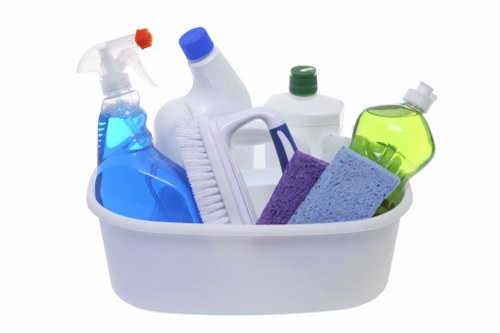
Professional office cleaning is much more than vacuuming floors and emptying bins. It supports health, productivity, and brand reputation in ways that directly impact business outcomes. Clean offices reduce the spread of bacteria and viruses, which can help lower sick days and keep teams functioning smoothly.
A well-maintained workplace also boosts employee comfort. When workers arrive in a fresh, organized environment, they are more likely to feel focused and motivated. On the other hand, dusty surfaces, overflowing bins, and neglected restrooms can create stress and distraction.
First impressions matter in every industry. Clients, partners, and job candidates all notice the condition of your office. A clean reception area, polished floors, and sanitized meeting rooms instantly signal professionalism and care. That is one reason office cleaning should be treated as a strategic investment rather than a minor facility expense.
What Office Cleaning Typically Includes

Office cleaning services can vary depending on the size of the workplace, the number of employees, and the nature of the business. However, most cleaning programs include a core set of tasks designed to maintain hygiene and order throughout the premises.
Common office cleaning tasks often include:
- Dusting desks, shelves, and office furniture
- Vacuuming carpets and rugs
- Mopping hard floors
- Cleaning and disinfecting restrooms
- Emptying waste bins and replacing liners
- Wiping down high-touch surfaces such as door handles and switches
- Cleaning kitchenettes, break rooms, and shared appliances
- Sanitizing conference tables and meeting spaces
Some businesses also require specialized office cleaning tasks such as window cleaning, upholstery care, floor polishing, or deep cleaning of high-traffic zones. The best cleaning plan is one that matches the unique layout and usage patterns of your workplace.
Daily, Weekly, and Monthly Cleaning Tasks
One of the most effective ways to manage office cleaning is to split tasks into daily, weekly, and monthly schedules. This approach keeps the office consistently presentable while ensuring deeper maintenance is not overlooked.
Daily office cleaning usually focuses on high-use areas. This may include sanitizing desks, cleaning restrooms, wiping down kitchen surfaces, and removing trash. In busy environments, these tasks are essential to maintain hygiene and reduce visible mess.
Weekly cleaning might involve vacuuming under furniture, scrubbing floors, cleaning glass partitions, dusting vents, and disinfecting shared equipment. Monthly tasks can include deep cleaning carpets, polishing floors, and thoroughly cleaning storage areas or less frequently used rooms.
How Office Cleaning Supports Health and Hygiene

Health and hygiene are among the strongest reasons to prioritize office cleaning. Workplaces often contain many shared touchpoints, including keyboards, phones, handles, printers, and kitchen counters. Without regular cleaning, these surfaces can become hotspots for germs and allergens.
Dust and poor air quality can also affect employee comfort. Offices that are not cleaned properly may accumulate dust mites, mold, and debris that aggravate allergies or respiratory issues. A well-executed office cleaning plan helps improve the overall indoor environment and supports a healthier workforce.
Disinfection is especially important in high-traffic areas. Restrooms, break rooms, reception desks, and meeting rooms should receive special attention because they are used frequently by many different people. Cleaning these spaces regularly helps create a more sanitary workplace and reinforces confidence among staff and visitors.
High-Touch Areas That Need Extra Attention
Not all parts of an office carry the same level of risk. Some areas are touched repeatedly throughout the day and should therefore be cleaned with greater frequency and care. Focusing on these areas can significantly improve overall office hygiene.
Examples of high-touch surfaces include:
- Door handles and push plates
- Light switches
- Elevator buttons
- Shared keyboards and mice
- Telephones
- Copier controls and printer panels
- Kitchen appliance handles
By prioritizing these points, office cleaning becomes more effective at reducing the spread of contamination. Businesses with larger teams may want to clean these surfaces multiple times a day, especially during cold and flu season.
Office Cleaning and Employee Productivity
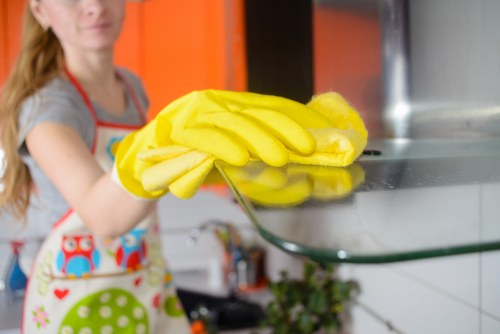
Clean workplaces help people work better. This is not just a matter of opinion; it is a practical reality in many office environments. When employees work in an organized, fresh, and clutter-free setting, they can focus more easily on their tasks and less on distractions around them.
Office cleaning also contributes to a sense of order. Cluttered desks, dusty corners, and overflowing trash can create visual noise that makes a workspace feel chaotic. A structured cleaning routine supports mental clarity and can improve overall workplace morale.
Productivity benefits may include better concentration, fewer interruptions, improved meeting experiences, and less time spent searching for misplaced items. While office cleaning may not be directly involved in core business activities, it helps create the conditions needed for strong performance.
Creating a More Focused Work Environment
A clean office does more than look nice. It can influence how people feel throughout the day. Employees often take cues from their surroundings, and a polished environment communicates professionalism, stability, and care. This can encourage better habits and greater attention to detail.
For businesses that want to strengthen culture, office cleaning can be part of a larger workplace standards strategy. When the physical environment is well maintained, teams are more likely to respect shared spaces and maintain personal organization.
Better cleaning standards can also support hybrid and shared desk arrangements, where employees may use different workstations on different days. In these settings, regular sanitization and tidy shared spaces are especially important.
Choosing the Right Office Cleaning Approach

Every workplace has different cleaning needs, which means there is no one-size-fits-all office cleaning plan. The right approach depends on factors such as office size, traffic levels, industry regulations, and whether the business operates during standard hours or around the clock.
Some organizations rely on in-house staff for routine cleaning, while others prefer professional office cleaning services. Many businesses choose a hybrid approach, combining internal housekeeping responsibilities with scheduled commercial cleaning support. This can be a practical option for offices with varied needs or limited budgets.
When selecting an office cleaning strategy, it helps to think about the tasks that must happen daily versus those that can be done less frequently. This makes it easier to assign responsibilities, manage costs, and maintain consistency.
In-House Cleaning vs Professional Office Cleaning
There are advantages to both in-house cleaning and professional office cleaning. The right choice depends on your priorities and operational requirements.
In-house cleaning can provide more direct control. Staff members may already know the building layout, and cleaning duties can be adjusted quickly when needed. This option may work well for small offices with simple routines.
Professional office cleaning, on the other hand, often brings specialized tools, trained staff, and consistent quality. External teams can handle deep cleaning, sanitation, and larger-scale maintenance more efficiently. They may also be better equipped to manage demanding schedules or specific hygiene standards.
Many businesses find that professional office cleaning offers better long-term value because it frees internal staff to focus on core responsibilities while ensuring the workplace remains clean and presentable.
Key Areas to Prioritize in Office Cleaning
While every part of the office matters, some areas require extra attention because of their visibility or usage. A smart office cleaning routine focuses on the spaces that affect both appearance and health most directly.
- Reception areas: These create the first impression for visitors and should always look polished.
- Meeting rooms: Tables, chairs, and presentation equipment should be cleaned regularly to support professional client interactions.
- Restrooms: Frequent cleaning is essential for hygiene, odor control, and user comfort.
- Break rooms: Kitchens and lunch areas can quickly develop messes, food residues, and bacteria if neglected.
- Workstations: Desks, monitors, and shared equipment need regular dusting and sanitization.
- Floors: Carpets, tiles, and hardwood surfaces should be cleaned in line with traffic levels.
By giving extra attention to these spaces, businesses can maintain a cleaner and more welcoming workplace overall. Office cleaning becomes much more effective when the most visible and heavily used areas are handled first.
Reception and Common Spaces
The reception area often sets the tone for the entire office. Clean counters, tidy seating, and spotless floors help convey confidence and professionalism. The same is true for hallways, waiting areas, and other shared spaces where visitors and employees pass through frequently.
Common spaces should never look neglected, because they influence how people judge the company as a whole. Regular cleaning of visible surfaces, windows, and decorative features helps maintain a strong corporate image.
Shared spaces also tend to accumulate fingerprints, dust, and scattered papers quickly. A dependable office cleaning plan keeps these areas orderly without making them feel over-sterilized or impersonal.
Deep Cleaning and Seasonal Maintenance
Routine office cleaning keeps the workplace tidy from day to day, but deep cleaning is what helps preserve long-term cleanliness and hygiene. Seasonal maintenance may include tasks that are too time-consuming or specialized to be handled during regular daily cleaning.
Deep cleaning often involves carpet extraction, upholstery cleaning, detailed dusting of vents and corners, washroom descaling, and a more intensive treatment of floors and fixtures. This level of cleaning can help remove built-up grime and improve the overall condition of the office.
Seasonal office cleaning is especially useful during transitions such as spring, year-end closures, or after renovations. These times provide an opportunity to refresh the workspace and address hidden buildup in a systematic way.
When to Schedule a Deep Clean
There are several signs that your workplace may need a deeper office cleaning session. If carpets appear dull, restrooms have lingering odors, dust is visible in vents, or shared spaces feel less fresh than usual, it may be time to go beyond the routine schedule.
High-traffic offices may benefit from quarterly deep cleaning, while smaller workplaces may only need it a few times a year. The ideal timing depends on how much the office is used, the type of flooring and furniture, and whether the workplace serves clients on-site.
Deep cleaning is not a luxury; it is part of maintaining a safe and professional environment over time.
Eco-Friendly Office Cleaning Practices
Sustainability is becoming a major priority for businesses of all sizes, and office cleaning can play an important role in supporting eco-friendly operations. Many organizations now look for cleaning methods that reduce waste, conserve resources, and minimize harsh chemical exposure.
Green office cleaning may involve biodegradable products, reusable microfiber cloths, energy-efficient equipment, and water-saving methods. These choices can help protect the environment while still delivering excellent cleaning results.
Eco-friendly cleaning can also improve indoor comfort by reducing strong odors and limiting the use of aggressive chemicals. For companies focused on wellness and sustainability, this approach often aligns well with their broader values.
Simple Ways to Make Cleaning More Sustainable
Businesses that want greener office cleaning practices can take several practical steps:
- Use concentrated cleaning products that reduce packaging waste
- Switch to microfiber tools that can be washed and reused
- Choose vacuums with HEPA filtration for better air quality
- Reduce paper towel use by adding hand dryers or reusable cloth systems
- Separate recycling and waste streams clearly throughout the office
These changes may seem small, but over time they can support more responsible office operations while maintaining a high standard of cleanliness.
How to Maintain Office Cleaning Standards Year-Round
Consistency is the key to successful office cleaning. Even a very clean office can slip into disorder if there is no clear routine or accountability. That is why many businesses benefit from a structured cleaning schedule and regular quality checks.
It helps to create a cleaning checklist for daily tasks, assign responsibilities clearly, and review results periodically. In larger workplaces, supervisors or facility managers may want to inspect key areas such as restrooms, kitchens, and conference rooms each day.
Communication matters too. When staff know what is expected of them, they are more likely to keep their own desks tidy and respect shared spaces. Office cleaning works best when it is supported by both professional service and good workplace habits.
Practical Tips for Long-Term Cleanliness
Maintaining a clean office does not need to be complicated. A few steady habits can make a big difference:
- Keep clutter off work surfaces
- Wipe spills immediately
- Encourage employees to clear food from desks
- Empty bins before they overflow
- Sanitize shared equipment regularly
- Review restrooms and kitchen areas multiple times a day
These habits support stronger office cleaning results and prevent small problems from becoming larger maintenance issues. In a busy workplace, prevention is always easier than correction.
Why Professional Office Cleaning Is Worth the Investment
For many businesses, professional office cleaning delivers value that goes beyond surface appearance. It reduces the burden on internal staff, improves consistency, and helps maintain standards that employees and visitors can trust.
Professionally cleaned offices often look brighter, smell fresher, and feel more organized. That kind of environment can influence morale, support customer confidence, and help the business present itself in the best possible light.
When comparing costs, it is useful to consider the wider benefits: improved hygiene, reduced maintenance issues, better productivity, and a more positive brand image. Office cleaning should be viewed as part of a long-term strategy for workplace excellence.
Making the Most of Your Cleaning Budget
If you want stronger results from your office cleaning budget, focus on areas with the greatest impact. Start with high-touch surfaces, restrooms, break rooms, and client-facing spaces. Then add deep cleaning and specialty services as needed.
A smart cleaning plan is flexible. It should evolve as your workforce changes, your office grows, or your occupancy patterns shift. The best results come from matching the service level to actual use rather than relying on a generic routine.
When planned carefully, office cleaning can be both cost-effective and highly beneficial. The investment often pays off through better workplace performance and a stronger professional image.
Final Thoughts on Office Cleaning
Office cleaning is one of the most practical ways to support a healthy, productive, and professional workplace. It protects employee wellbeing, improves client impressions, and helps businesses maintain a space that feels organized and welcoming every day.
From routine dusting and sanitization to deep cleaning and seasonal maintenance, each part of the process contributes to a better office environment. The best results come from consistency, attention to detail, and a cleaning approach that reflects the unique needs of your space.
If your workplace could benefit from better hygiene, improved presentation, or a more reliable cleaning routine, now is the right time to act. Contact us today to explore options, or book your service now and take the next step toward a cleaner, healthier office.