Communal Area Cleaning: Keeping Shared Spaces Safe, Fresh, and Welcoming
Why Communal Area Cleaning Matters for Every Property
Communal area cleaning is one of the most important parts of maintaining any shared property, whether it is a residential block, apartment complex, office building, retail center, or mixed-use development. Shared spaces create the first impression for residents, visitors, customers, and staff, and they also affect hygiene, safety, and overall property value.
When communal area cleaning is carried out consistently and professionally, it helps reduce dirt buildup, controls odors, improves indoor air quality, and creates a more pleasant environment for everyone who uses the space. In contrast, neglected communal spaces can quickly become unhygienic, cluttered, and even unsafe.
In today’s property market, expectations are higher than ever. People want clean communal areas that feel fresh, organized, and well cared for. That is why effective cleaning routines matter so much, especially in places where multiple people touch doors, handrails, buttons, floors, and other shared surfaces every day.
What Communal Area Cleaning Includes
Communal area cleaning refers to the regular cleaning and upkeep of shared spaces used by more than one person or household. These areas often experience heavy foot traffic and need more frequent attention than private rooms or offices.
Common communal spaces include:
- Entrance lobbies and reception areas
- Hallways, corridors, and stairwells
- Elevators and lift doors
- Shared kitchens and break rooms
- Mail areas and parcel rooms
- Restrooms and washrooms
- Parking areas and vehicle access zones
- Bin stores and waste collection points
- Shared gyms, lounges, and meeting spaces
Depending on the building, communal area cleaning services may also include glass cleaning, wall spot cleaning, floor polishing, sanitation of touchpoints, and removal of litter or debris. The goal is not just surface appearance; it is to keep shared spaces healthy, orderly, and usable.
Benefits of Professional Communal Area Cleaning
Professional communal area cleaning offers much more than visual appeal. It brings practical, long-term benefits that support both property owners and the people who use the space every day.
Here are some of the main advantages:
- Improved hygiene: Regular cleaning removes dust, germs, and bacteria from high-touch surfaces.
- Better safety: Clean floors and tidy walkways reduce slip, trip, and fall risks.
- Positive first impressions: A spotless entrance or lobby reflects well on the entire property.
- Extended asset life: Proper care helps preserve flooring, fixtures, carpets, and surfaces.
- Odor control: Waste areas and shared spaces stay fresher and more pleasant.
- Higher tenant satisfaction: Residents and tenants are more comfortable in a well-maintained building.
For landlords, facilities managers, and property management teams, investing in reliable communal area cleaning can also reduce complaints, lower maintenance issues, and support long-term property value.
Key Areas That Need Special Attention
Entrances and Lobbies
The entrance is the most visible part of a building, and it sets the tone immediately. Regular communal area cleaning in lobbies should include vacuuming or mopping floors, wiping reception surfaces, cleaning glass doors, and removing fingerprints from handles and switches. Entry mats should also be maintained to prevent dirt from spreading throughout the building.
Hallways and Corridors
Hallways often collect dust, scuff marks, and debris because they experience constant movement. A thorough cleaning routine should focus on floor care, skirting boards, lifts, light switches, and wall marks. Clean corridors make a building feel more organized and cared for.
Stairwells and Landings
Stairwells are frequently overlooked, yet they are among the most important spaces in a property. Dust, litter, and spills can create safety hazards. Proper communal area cleaning in stairwells includes sweeping, mopping, handrail disinfection, and regular checks for obstructions or damage.
High-Touch Surfaces and Hygiene Standards
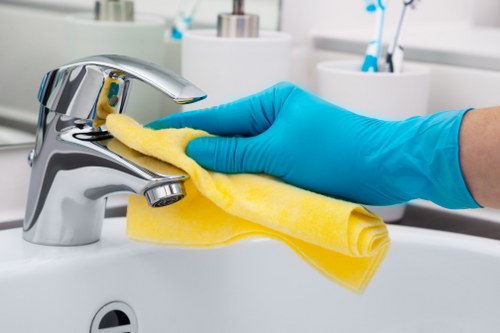
One of the biggest priorities in communal area cleaning is managing high-touch surfaces. These are areas that many people contact throughout the day, which makes them more likely to spread germs and bacteria.
Examples include:
- Door handles and push plates
- Lift buttons and control panels
- Handrails and banisters
- Light switches
- Intercom systems
- Mailboxes and parcel lockers
- Shared tables and counters
Routine disinfection helps reduce the risk of contamination, especially in busy residential blocks and office environments. Using approved cleaning products and following correct dwell times is essential for effective sanitation. Professional communal area cleaning services should always follow safety standards and use suitable products for different surfaces.
It is also important to remember that hygiene is not just about chemicals. Proper cleaning removes dirt first, which allows disinfectants to work more effectively. In other words, cleaning and sanitation work best together.
Floor Care in Shared Spaces
Floors take the heaviest use in any communal environment. Whether the surface is carpet, vinyl, stone, tile, laminate, or hardwood, it needs the right maintenance to stay clean and safe. Communal area cleaning should always include a floor care plan tailored to the building’s materials and traffic levels.
Good floor care may involve:
- Daily sweeping or vacuuming
- Regular damp mopping
- Machine scrubbing for larger areas
- Carpet extraction and stain removal
- Polishing or buffing for hard floors
- Spot treatment for spills and gum removal
Neglected floors can become slippery, stained, and worn down quickly. By contrast, consistent cleaning helps preserve the surface, improves appearance, and contributes to a safer environment. For properties with heavy traffic, a planned schedule is far more effective than occasional deep cleans alone.
Waste Management and Bin Area Cleaning
Waste handling is a critical part of communal area cleaning because rubbish areas can attract pests, create bad odors, and harm the appearance of the entire property. Proper waste management starts with regular emptying, but it should also include cleaning the surrounding area.
Bin rooms, refuse stores, and waste collection points should be washed down, deodorized, and checked for leaks or spillage. Floors, walls, and doors in these areas often need extra attention because they are exposed to contamination more frequently than other parts of the building.
A strong cleaning plan for waste zones should include:
- Daily or scheduled rubbish removal
- Sanitizing bin lids and handles
- Cleaning spillages promptly
- Deodorizing the area
- Monitoring for pests or signs of infestation
How Often Should Communal Areas Be Cleaned?
The frequency of communal area cleaning depends on how many people use the space, the type of building, and the level of traffic. A busy apartment block may require daily cleaning, while a smaller residential building might only need service a few times a week.
As a general rule, high-traffic shared areas should be cleaned more often than low-use spaces. High-touch surfaces may need daily disinfection, while deeper tasks such as carpet extraction or wall washing can be scheduled weekly or monthly.
Typical cleaning frequencies may look like this:
- Daily: entrances, lobbies, stair rails, lift buttons, and waste areas
- Several times a week: hallways, corridors, and shared washrooms
- Weekly: deep dusting, glass cleaning, and detailed floor care
- Monthly or quarterly: full deep cleans, upholstery care, and specialist treatments
Choosing the Right Cleaning Approach
Not every property requires the same approach to communal area cleaning. The best method depends on the building type, materials, number of users, and operational hours. A good provider will assess the site and create a schedule that matches real needs.
Routine Cleaning vs Deep Cleaning
Routine cleaning focuses on day-to-day maintenance such as sweeping, vacuuming, wiping surfaces, and emptying bins. Deep cleaning goes further by targeting buildup, hard-to-reach areas, stubborn marks, and neglected surfaces. Both are essential, and together they support long-term cleanliness.
Examples of deep cleaning tasks include:
- Descaling washroom fixtures
- Scrubbing grout lines
- Cleaning behind furniture
- Polishing metal surfaces
- Removing built-up residue from walls or skirting boards
For many buildings, the most effective solution is a combination of routine communal area cleaning and periodic deep cleaning sessions. This keeps standards high without allowing dirt to accumulate between visits.
Common Challenges in Communal Area Cleaning
Shared spaces present unique cleaning challenges because many different people use them in many different ways. Some areas are heavily trafficked throughout the day, while others become neglected and forgotten. This makes consistency especially important.
Common challenges include:
- Constant foot traffic: Dirt is tracked in repeatedly, especially near entrances.
- Mixed usage: One area may be used for storage, waiting, delivery, and circulation.
- Irregular behavior: Littering, spills, and misuse can undo cleaning efforts quickly.
- Surface variety: Different materials require different methods and products.
- Access issues: Some spaces may only be available at certain times.
A reliable communal area cleaning plan should account for these issues. Flexibility, clear scheduling, and communication with property managers can make a significant difference in results.
Best Practices for Effective Communal Area Cleaning
To achieve consistently good results, cleaning teams should follow a structured approach. The best communal area cleaning programs are built around routine, attention to detail, and accountability.
Useful best practices include:
- Create a cleaning checklist for each area of the building.
- Use color-coded equipment to avoid cross-contamination.
- Focus on high-touch points during every visit.
- Inspect and report issues such as leaks, broken fixtures, or damage.
- Adjust frequency based on seasonal dirt, weather, and occupancy.
- Train cleaning staff in safe product use and proper techniques.
These best practices help ensure that communal spaces remain presentable and hygienic over time, not just after a one-time clean. They also support a safer and more professional environment for everyone.
Communal Area Cleaning for Residential Buildings
Residential properties have special requirements because tenants expect their living environment to be comfortable, clean, and secure. Communal area cleaning in flats and apartment blocks should include reception areas, corridors, staircases, lifts, bin stores, and any shared amenities such as laundry rooms or lounges.
Residents often notice issues very quickly, especially in spaces they use multiple times a day. Dust accumulation, odors, sticky floors, or dirty handrails can lead to complaints and frustration. That is why consistency matters so much in residential cleaning schedules.
A well-maintained building can also encourage respectful use of shared areas. When communal spaces look clean and organized, people are more likely to keep them that way. In this sense, residential communal area cleaning supports both hygiene and community standards.
Communal Area Cleaning for Commercial Properties
Commercial properties such as offices, business centers, and retail environments rely on communal area cleaning to support productivity, professionalism, and customer confidence. A tidy shared environment can influence how employees feel about their workplace and how clients perceive the business.
For offices, common areas often include reception zones, meeting room corridors, kitchens, toilets, and lift lobbies. In retail environments, communal cleaning may extend to customer waiting zones, shared washrooms, and back-of-house areas. In every case, the aim is to keep spaces clean, functional, and welcoming.
Professional communal area cleaning services can also help businesses maintain compliance with hygiene expectations and workplace standards. Clean shared spaces reduce distractions and improve day-to-day operations.
Why a Tailored Cleaning Plan Delivers Better Results
No two properties are exactly alike, which is why a tailored approach works better than a generic one. A building with young families, office tenants, or public visitors will all have different cleaning needs and traffic patterns. The best communal area cleaning plans reflect these differences.
A tailored plan considers:
- Building size and layout
- Number of occupants or users
- Types of flooring and fixtures
- Peak traffic times
- Special hygiene concerns
- Budget and service expectations
By matching cleaning routines to real-world conditions, property managers can achieve better results, improve value for money, and keep communal areas in top condition throughout the year.
The Role of Equipment and Eco-Friendly Products
Modern communal area cleaning often uses a combination of traditional methods and advanced equipment. Vacuum cleaners with HEPA filtration, floor scrubbers, microfiber cloths, and steam cleaning tools can improve performance while reducing the amount of water and chemicals needed.
Many property owners also prefer eco-friendly cleaning products. These options can help lower environmental impact while still delivering effective results. Choosing low-odor, biodegradable, or non-toxic solutions may be especially useful in enclosed communal spaces where people spend time every day.
When selected carefully, equipment and products can make communal area cleaning faster, safer, and more sustainable. The key is using the right method for each surface and situation.
Setting Standards and Measuring Results
To maintain quality, communal cleaning should be monitored against clear standards. This may involve regular inspections, checklists, photo records, or property manager reviews. The goal is to ensure that cleaning tasks are completed properly and that issues are identified quickly.
Useful standards may include:
- No visible dust or litter in shared areas
- Clean and dry floors without residue
- Sanitized touchpoints
- Empty and fresh waste bins
- Odor-free communal spaces
When standards are tracked consistently, it becomes easier to identify patterns, improve performance, and maintain a high level of service. This also helps building owners and managers understand the value of regular communal area cleaning.
Final Thoughts on Maintaining Clean Shared Spaces
Communal area cleaning is not just a routine task; it is a vital part of maintaining safety, comfort, and professionalism in any shared property. Clean communal areas improve the experience of residents, visitors, and staff while protecting the building itself from unnecessary wear and hygiene issues.
From entrances and corridors to stairwells, lifts, and waste areas, every shared space benefits from careful attention. A structured cleaning plan, the right tools, and regular inspection all contribute to better results. Whether the property is residential or commercial, prioritizing shared area maintenance pays off in appearance, function, and long-term value.
If your building needs a dependable cleaning solution, now is the right time to act. Contact us today to discuss your needs, or book your service now and keep your communal areas looking their best all year round.