Regular Cleaning: Why It Matters for Health, Comfort, and Long-Term Value
Regular cleaning is one of the simplest ways to improve the quality of everyday life, yet it is often underestimated until dirt, dust, and clutter begin to affect comfort and wellbeing. Whether you are caring for a home, office, rental property, or commercial space, consistent cleaning routines help create a healthier environment, reduce stress, and preserve surfaces and furnishings for longer. In a world where people search for practical ways to maintain a cleaner lifestyle, regular cleaning remains one of the most valuable habits you can build.
Unlike occasional deep cleaning, regular cleaning focuses on maintaining cleanliness through routine tasks that prevent buildup before it becomes a problem. This makes it easier to manage messes, protect indoor air quality, and keep spaces looking presentable every day. From kitchens and bathrooms to workspaces and shared areas, regular cleaning supports both appearance and function in a way that is easy to appreciate once it becomes part of daily life.
For many households and businesses, the benefits go far beyond appearance. Regular cleaning can help reduce allergens, support hygiene, improve productivity, and even extend the life of flooring, furniture, and fixtures. It is not just about making a space look neat; it is about creating a setting that feels safe, organized, and welcoming.
The Importance of Regular Cleaning in Everyday Life
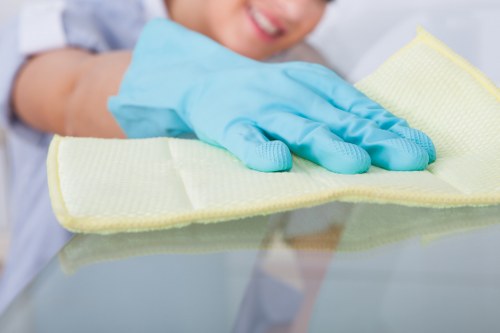
Regular cleaning plays a major role in keeping spaces safe and comfortable. Dust, grime, food residue, and moisture can accumulate quickly, especially in high-traffic areas. When these issues are addressed consistently, they are far less likely to cause stains, odors, or more serious cleanliness problems. This is why regular cleaning is considered a practical foundation for good hygiene in both homes and workplaces.
One of the most important advantages of regular cleaning is prevention. Instead of waiting for messes to build up, routine cleaning makes it easier to control them before they become difficult or time-consuming to remove. This approach saves effort in the long run and keeps living or working areas in better condition.
Regular cleaning also contributes to a more positive atmosphere. A tidy room can feel calmer, more organized, and more enjoyable to use. In offices, cleaner spaces can support better focus and a more professional environment. At home, they can make daily routines easier and more pleasant.
Beyond comfort, regular cleaning supports health. Dust, mold, bacteria, and allergens can spread when areas are neglected. Frequent cleaning helps limit these issues and creates a healthier environment for everyone inside the space.
Key benefits of regular cleaning
- Reduces the buildup of dirt, dust, and allergens
- Improves indoor hygiene and freshness
- Helps maintain a neat, organized appearance
- Protects furniture, flooring, and fixtures from wear
- Makes deep cleaning easier and less overwhelming
- Supports a more comfortable and productive environment
How Regular Cleaning Supports Better Health
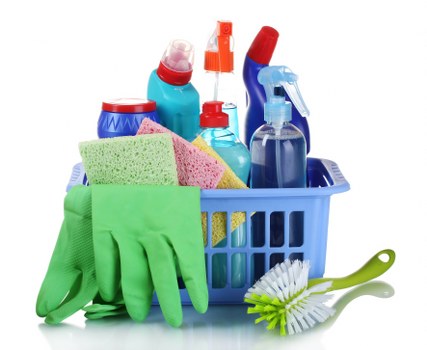
Health is one of the strongest reasons people prioritize regular cleaning. Indoor spaces can quickly collect dust, pet dander, pollen, and other particles that may affect breathing and overall comfort. Routine cleaning helps keep these irritants under control, which is especially valuable for children, older adults, and people with allergies or sensitivities.
Kitchens and bathrooms deserve special attention because they are common areas for moisture and germs. Regular cleaning of counters, sinks, toilets, and frequently touched surfaces can help reduce the spread of bacteria and create a more sanitary environment. This is one of the most practical ways to support cleanliness without relying on occasional intensive cleaning alone.
Another important factor is moisture management. When spills, condensation, or damp areas are ignored, they can lead to mold growth and unpleasant odors. Regular cleaning helps detect and address these concerns quickly. That means your space stays cleaner and safer over time.
Health-related advantages of regular cleaning
- Helps reduce allergens in indoor environments
- Minimizes bacteria on high-touch surfaces
- Supports fresher air and fewer odors
- Discourages mold growth by controlling moisture
- Creates safer conditions in kitchens and bathrooms
Tip: If your household includes people with allergies or asthma, regular cleaning should be part of your weekly routine. Consistency matters more than occasional effort.
Regular Cleaning and the Value of a Well-Maintained Space
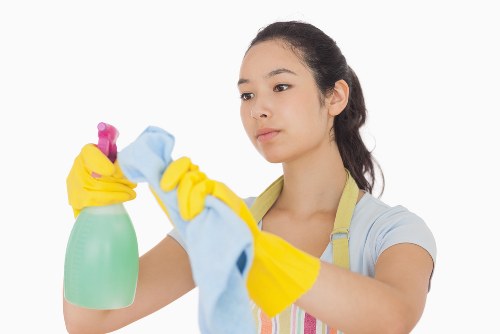
Property owners often think of regular cleaning as a maintenance task, but it is also a way to protect value. Floors, upholstery, appliances, and countertops last longer when they are cleaned frequently and properly. Dirt and debris can cause scratching, staining, and surface damage over time. Routine care helps preserve materials and reduces the need for premature repairs or replacements.
This is especially true in busy households, rental properties, and commercial settings where surfaces are exposed to heavy use. Regular cleaning keeps grime from embedding deeply into fabrics or flooring, which can make restoration much more difficult later. A small amount of ongoing effort can save considerable cost in the long run.
Clean spaces also tend to make a stronger impression. Whether you are welcoming family, guests, clients, or employees, a maintained environment communicates care and professionalism. That matters in homes, workplaces, and any shared setting where first impressions count.
Regular cleaning helps protect the following:
- Flooring and grout from buildup and discoloration
- Kitchen surfaces from grease and stains
- Bathroom fixtures from mineral deposits and residue
- Furniture upholstery from dust and daily wear
- Appliances from dirt that can affect performance
Well-maintained spaces often require fewer urgent fixes. That is one reason regular cleaning is such a smart long-term habit.
Building an Effective Regular Cleaning Routine
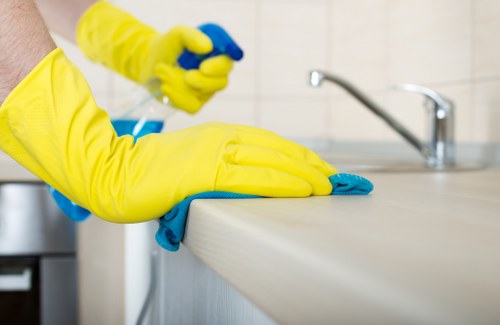
A successful regular cleaning routine does not need to be complicated. In fact, simple and repeatable habits are usually the easiest to maintain. The key is to break tasks into manageable sections and assign them to specific days or intervals. This prevents overwhelm and helps ensure that important areas are not forgotten.
Start by identifying high-use areas and the tasks they require most often. For example, kitchens may need daily wiping, sink cleaning, and trash removal, while bedrooms may only need dusting, vacuuming, and light tidying on a weekly basis. Bathrooms often need frequent attention, while less-used areas can be addressed on a rotating schedule.
Consistency is more important than perfection. A routine that is realistic for your schedule is far more effective than a detailed plan that is difficult to follow. When regular cleaning becomes part of daily or weekly habits, the entire process feels easier and more natural.
Sample regular cleaning schedule
- Daily: Tidy clutter, wipe kitchen counters, clean spills, empty small bins
- Every 2-3 days: Sweep high-traffic floors, sanitize high-touch surfaces, check bathrooms
- Weekly: Vacuum, mop, dust surfaces, clean mirrors, change bedding, sanitize sinks
- Monthly: Clean appliances, wipe baseboards, wash trash bins, inspect vents
Tip: Keep supplies in accessible locations so regular cleaning feels easier to start and finish.
Helpful habits that make regular cleaning easier
- Put items back after using them
- Clean small spills immediately
- Use storage baskets or bins to reduce clutter
- Keep basic cleaning products nearby
- Set a timer for short cleaning sessions
Regular Cleaning in Homes: Rooms That Need Extra Attention

Every home has areas that require more frequent attention than others. Regular cleaning is most effective when it focuses on spaces that collect messes quickly. Kitchens, bathrooms, entryways, and living areas are common examples because they see heavy daily use and are more likely to accumulate dirt, spills, and fingerprints.
In kitchens, regular cleaning should include counters, stovetops, sinks, cabinet handles, and dining surfaces. Food preparation naturally creates crumbs, grease, and splashes, so keeping up with these areas helps prevent buildup and odors. Bathrooms need frequent cleaning as well because moisture can make them prone to soap scum, grime, and bacteria.
Entryways and living rooms also benefit from regular cleaning because they are often the first places where dirt enters a home. Shoes, bags, pets, and frequent movement can bring in dust and debris. By staying on top of these areas, you make the rest of the home easier to maintain.
Priority home cleaning areas
- Kitchen counters, sinks, and stovetops
- Bathroom toilets, showers, and faucets
- Entry mats, floors, and door handles
- Living room surfaces and upholstery
- Bedrooms, especially under beds and around nightstands
Regular cleaning in the home is not only about neatness; it is also about reducing stress. A tidy environment often feels more peaceful and easier to enjoy.
Regular Cleaning in Offices and Commercial Spaces
In offices and commercial settings, regular cleaning is closely tied to productivity, safety, and brand image. Employees work better in spaces that feel orderly and clean, and visitors are more likely to trust businesses that present a professional appearance. Clean work environments can also help reduce the spread of germs, which is especially important in shared spaces.
Workplaces often contain high-touch surfaces such as desks, door handles, elevator buttons, conference tables, and shared equipment. These areas need routine cleaning to support hygiene and reduce the risk of contamination. When regular cleaning becomes part of office operations, it contributes to a better everyday experience for everyone.
Commercial spaces also face heavy foot traffic, which means dirt builds up quickly. Flooring, windows, restrooms, and reception areas often require regular care to stay presentable. Keeping these spaces clean supports customer confidence and helps maintain a welcoming atmosphere.
Benefits for businesses
- Improves employee morale and focus
- Supports a professional client-facing image
- Helps reduce sick days caused by shared germs
- Protects office furnishings and equipment
- Makes the workplace safer and more organized
For many businesses, regular cleaning is not optional. It is a basic part of running a reliable and well-respected operation. When a space looks cared for, people tend to feel more confident in it.
Regular Cleaning vs. Deep Cleaning
It is easy to confuse regular cleaning with deep cleaning, but they serve different purposes. Regular cleaning is the ongoing maintenance that keeps spaces tidy and hygienic. Deep cleaning goes further by targeting hidden buildup, neglected corners, and areas that do not need attention as often. Both are important, but they are not interchangeable.
Think of regular cleaning as the routine that keeps everything under control. Deep cleaning is the more intensive refresh that helps restore a space when buildup has occurred. Without regular cleaning, deep cleaning becomes more difficult and time-consuming. Without deep cleaning, regular cleaning may not be enough to reach overlooked areas.
A balanced approach is usually best. Keep up with daily and weekly tasks, then schedule deeper attention periodically for appliances, vents, baseboards, grout, and other detail areas. This combination helps maintain a truly clean environment over time.
Simple comparison
- Regular cleaning: frequent, routine tasks that maintain cleanliness
- Deep cleaning: intensive tasks that remove hidden buildup and restore freshness
Choosing the Right Regular Cleaning Approach
The best regular cleaning plan depends on your lifestyle, property size, usage patterns, and priorities. A family with children and pets may need a different routine than a small office or studio apartment. The goal is to create a system that fits the space rather than forcing a one-size-fits-all solution.
Start by observing where dirt accumulates fastest and which tasks make the biggest difference in how the space looks and feels. Focus on high-impact areas first. Once those are under control, add smaller tasks as needed. This strategy keeps regular cleaning efficient and practical.
If time is limited, consider dividing tasks among household members or staff. Even short, consistent effort can make a major difference. The more regular cleaning is shared and simplified, the easier it becomes to maintain over the long term.
Questions to ask when planning a routine
- Which areas get the most traffic?
- Where does dirt build up fastest?
- Which surfaces need daily attention?
- What tasks can be rotated weekly or monthly?
- How much time is realistically available?
Why Regular Cleaning Saves Time in the Long Run
Many people avoid cleaning because they assume it takes too much time, but regular cleaning usually saves time overall. Small, ongoing tasks take less effort than larger jobs that have been postponed for weeks or months. When surfaces are maintained consistently, they are easier to wipe, scrub, and refresh.
This is one of the most practical reasons to stay consistent. A few minutes each day can prevent hours of catching up later. It also reduces the likelihood of unpleasant surprises such as stubborn stains, overflowing bins, or dirty buildup in overlooked corners.
For busy households and workplaces, regular cleaning creates order that supports smoother routines. Instead of constantly reacting to messes, you stay ahead of them. That shift alone can reduce stress and make the whole environment more manageable.
Making Regular Cleaning a Sustainable Habit
Sustainability is important when building any routine. If a cleaning plan is too demanding, it is likely to fall apart. That is why the most effective regular cleaning habits are simple, realistic, and repeatable. Use the tools and products you actually enjoy using, and keep steps short enough that they feel doable.
Breaking tasks into small actions can also help. Wipe one surface while waiting for coffee to brew. Sweep one room before dinner. Clean the bathroom sink after brushing teeth. These micro-habits turn regular cleaning into something that feels effortless rather than overwhelming.
When cleaning becomes part of the rhythm of your day, the results are easier to maintain and far more noticeable. A cleaner environment does not happen by accident; it is built through steady attention and smart habits.
Ways to stay consistent
- Use reminders or a simple checklist
- Focus on one area at a time
- Keep cleaning tools easy to access
- Celebrate progress instead of chasing perfection
- Adjust the routine as seasons or needs change
Final Thoughts on Regular Cleaning
Regular cleaning is one of the most effective ways to maintain a healthy, attractive, and functional space. It supports hygiene, protects surfaces, improves comfort, and saves time over the long term. Whether applied at home or in a commercial environment, it creates benefits that are easy to notice and even easier to appreciate once they become part of everyday life.
The real value of regular cleaning lies in consistency. Small, repeatable efforts can have a major impact on cleanliness, organization, and peace of mind. By making it a habit, you not only improve how a space looks, but also how it feels and functions.
If you want to enjoy a cleaner, healthier environment without the stress of constant buildup, now is the perfect time to take action. Contact us today to take the next step, or book your service now and keep your space looking its best.