End of Tenancy Cleaning in Apartments and Homes: A Practical Approach to a Stress-Free Move
Why End of Tenancy Cleaning Matters

End of tenancy cleaning is one of the most important tasks at the end of a rental agreement. Whether you are moving out of a studio flat, a family house, or a shared property, the condition you leave the place in can affect your deposit, your landlord relationship, and the overall moving experience. A spotless property shows responsibility and helps ensure a smooth handover.
For tenants, this type of cleaning is not just about looking tidy. It is about meeting the standards usually expected in a tenancy agreement. Landlords and letting agents often inspect kitchens, bathrooms, floors, appliances, and hidden corners very carefully. If dust, grime, stains, or limescale are left behind, deductions may follow. That is why end of tenancy cleaning is often treated as a final step before officially leaving a property.
In busy moving periods, people often underestimate how much time and effort this process takes. Packing boxes, arranging removals, updating addresses, and settling into a new home already demand attention. Adding a full property clean can become overwhelming. A clear plan, the right products, and a structured room-by-room approach can make end of tenancy cleaning far more manageable.
What End of Tenancy Cleaning Usually Includes

Every tenancy is different, but most end of tenancy cleaning tasks cover all major living areas and fixtures. The goal is to return the property as close as possible to the condition described in the inventory report, allowing for fair wear and tear. In most cases, this means more than a quick tidy-up and requires a deep clean.
Typical tasks include removing grease from kitchen surfaces, cleaning inside cupboards, scrubbing sinks, disinfecting bathrooms, polishing taps, vacuuming carpets, dusting skirting boards, wiping down doors, and cleaning windows where accessible. Many tenants also forget ovens, extractor fans, light switches, and behind furniture, even though these spots are frequently checked during inspections.
To stay organized, it helps to split the work into categories. Kitchen cleaning, bathroom cleaning, floor care, and surface dusting should all be handled methodically. If you are aiming for a professional finish, use the same attention to detail that a trained cleaner would use. This is especially useful if you want to protect your deposit and avoid repeat visits from the landlord or agent.
Room-by-Room Priorities

Different rooms require different methods, and a room-by-room plan keeps the work efficient. Start with the areas that collect the most dirt and end with the finishing touches. In end of tenancy cleaning, kitchens and bathrooms typically take the longest because they often contain grease, soap scum, and hard water marks.
Kitchen priorities usually include degreasing cabinets, cleaning the oven, wiping fridge shelves, removing crumbs from drawers, and sanitizing worktops. Bathroom priorities should focus on limescale removal, mirror polishing, grout cleaning, and disinfecting toilets, sinks, and baths or showers. In bedrooms and living rooms, dusting, vacuuming, and stain removal are often enough if the property has been well maintained.
It is also wise to check commonly missed spots. These include the tops of doors, under beds, behind radiators, window tracks, and ventilation grilles. A thorough end of tenancy cleaning routine often succeeds because it targets the areas most people overlook. That level of detail can make a major difference during inspection day.
Kitchen Cleaning: The Most Demanding Area
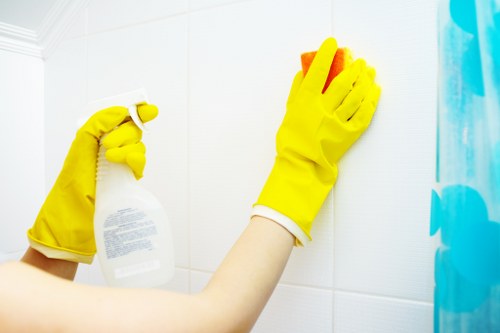
The kitchen is often the hardest part of end of tenancy cleaning because it attracts grease, food residue, and stubborn stains. Appliances, cupboards, and hard surfaces all require special attention. If the property includes an oven, hob, microwave, or fridge, each item should be cleaned both inside and out unless the tenancy agreement states otherwise.
Begin by removing all items from cupboards and drawers. Then wipe the interiors, corners, handles, and shelves. Use a degreaser for the hob and extractor hood, and make sure all splashback areas are clean. The oven usually needs a dedicated cleaner and some soaking time, especially if burnt-on residue has built up over months of use. End of tenancy cleaning in kitchens often takes longer than expected, so start early.
For the best results, clean from top to bottom. Dust upper shelves first, then move to worktops, sinks, and lower cabinets, finishing with the floor. This approach prevents dust and debris from falling onto already cleaned surfaces. If you want a better outcome, use microfiber cloths, non-abrasive sponges, and a suitable multipurpose cleaner. A shiny, fresh kitchen can strongly influence the final inspection.
Bathroom Deep Cleaning and Limescale Removal

Bathrooms demand careful attention during end of tenancy cleaning because they easily show signs of wear. Soap scum, mould, watermarks, and limescale can all make the room look neglected even if it was used normally. A spotless bathroom suggests that the property has been properly cared for throughout the tenancy.
Focus on showers, baths, toilets, sinks, taps, mirrors, tiles, and grout lines. Scrub the toilet thoroughly, clean behind the base if accessible, and disinfect touch points such as handles and flush buttons. For shower screens and taps, an anti-limescale product can help restore a brighter finish. Bathroom cleaning should also include emptying and wiping any storage cabinets or shelves.
Ventilation is another important part of a bathroom clean. Dust and moisture can collect around extractor fans and vents, so these should be checked carefully. If mould is present, treat it promptly using a suitable cleaner and proper safety precautions. In many cases, a well-executed end of tenancy cleaning routine in the bathroom can significantly reduce the risk of deposit deductions.
Living Rooms, Bedrooms, and Hallways
Although kitchens and bathrooms receive the most attention, living areas still matter a great deal during end of tenancy cleaning. Dust on shelves, marks on walls, cobwebs in corners, and dirty skirting boards can all affect the overall impression of the property. These spaces should look clean, fresh, and ready for the next occupant.
Vacuum carpets carefully, including edges and corners. If there are hard floors, sweep first and then mop with an appropriate cleaner. Wipe window sills, doors, handles, switches, and light fittings. In bedrooms, pay attention to wardrobes, bedside tables, and under-bed areas. Hallways often collect scuffs and dust quickly, so they deserve just as much attention as the main rooms.
If the tenancy inventory includes furniture, make sure each item is cleaned according to its material. Upholstered pieces may need vacuuming, while wooden furniture may require a gentle polish. End of tenancy cleaning is not just about appearance; it is about restoring the property to a condition that aligns with the move-in record and inspection expectations.
Carpets, Upholstery, and Floor Care
Floors often reveal how well a property has been maintained. Carpet stains, pet hair, dust build-up, and marks on laminate or tile flooring can weaken the overall impact of an otherwise good clean. That is why floor care is a major part of end of tenancy cleaning. If the carpets are particularly dirty, a deep carpet clean may be needed before the final handover.
Vacuuming is only the starting point. For carpets, inspect for spots and treat them as early as possible. Use a stain remover suitable for the material and avoid soaking the fibers. For hard floors, mop with a cleaner that will not leave residue. Pay close attention to corners, thresholds, and under furniture, where dust often collects unnoticed.
When upholstery is included in the property, remove crumbs, pet hair, and surface dust. If furniture covers are removable and washable, check the care labels first. A clean floor and fresh-looking furnishings can make a strong final impression, helping the property feel ready for immediate use by the next tenant.
Tools and Products That Help
The right tools can save time and improve results during end of tenancy cleaning. A well-prepared cleaning kit should include microfiber cloths, sponges, a vacuum cleaner, a mop, gloves, an oven cleaner, an all-purpose spray, glass cleaner, limescale remover, a bucket, and trash bags. If possible, gather everything before you begin so you do not waste time searching for supplies.
Microfiber cloths are especially useful because they trap dust and reduce streaks on shiny surfaces. A vacuum with attachments can help reach corners, upholstery, and edges. For bathrooms and kitchens, use products designed for specific problems rather than one cleaner for everything. Targeted cleaning products often perform better and make the work more efficient.
It is important to follow product instructions carefully and test any cleaner on a small area first if you are unsure how a surface will react. This is particularly relevant for delicate finishes, painted walls, and wooden furniture. Safe and sensible product use helps protect the property and supports a more successful end of tenancy cleaning result.
How to Plan the Cleaning Process
A structured plan is one of the best ways to handle end of tenancy cleaning without feeling rushed. Start by reviewing your tenancy agreement and inventory report. These documents often clarify what level of cleanliness is expected and whether certain items, such as carpets or appliances, must be professionally cleaned.
Next, create a checklist by room. Assign tasks based on priority and difficulty. For example, you may want to clean the oven and bathroom first because they can take longer, then move to dusting and vacuuming. Breaking the work into stages also makes it easier to fit the clean around moving day responsibilities.
Helpful planning steps include:
- Removing clutter before cleaning begins
- Gathering all supplies in one place
- Cleaning top surfaces before lower surfaces
- Allowing time for stubborn stains or dried grime
- Doing a final walk-through before leaving
With a clear process in place, end of tenancy cleaning becomes less stressful and more efficient. A checklist also reduces the risk of forgetting important areas.
Common Mistakes Tenants Make
Many tenants lose part of their deposit because of simple oversights. In end of tenancy cleaning, the most common mistake is underestimating the time needed. People often assume a fast surface clean is enough, but rental inspections usually look deeper than that. Hidden dust, grease, and stains can easily be missed if the process is rushed.
Another frequent mistake is ignoring appliances and fixtures. An oven with burnt residue, a fridge with leftover spills, or a bathroom with visible limescale can be enough to raise concerns. Some tenants also forget to clean inside cupboards, window frames, and behind radiators. These details may seem small, but they are often the exact places landlords inspect.
Avoid using the wrong cleaning products as well. Harsh chemicals can damage paint, wood, or stainless steel, which may create additional issues. The best approach to end of tenancy cleaning is careful, patient, and organized rather than fast and aggressive.
When Professional Help Makes Sense
Sometimes, hiring professionals is the most practical solution. If you are short on time, dealing with a large property, or facing stubborn grime, a professional end of tenancy cleaning service can save effort and reduce stress. It can also be useful if your lease requires a very high cleaning standard or if you want to improve the chances of passing the inspection first time.
Professional cleaners usually arrive with specialized equipment and stronger products than most households keep at home. They may also offer carpet cleaning, oven cleaning, and targeted bathroom sanitization as part of the package. This level of support can be especially valuable when you are juggling moving logistics, family commitments, or work schedules.
Even if you decide not to use a service, understanding how professionals work can improve your own results. Their methods often focus on detail, structure, and consistency. That is exactly what makes end of tenancy cleaning effective.
What Landlords and Agents Usually Look For
During the final inspection, landlords and letting agents usually compare the property’s current condition with the inventory and check-in report. For end of tenancy cleaning, they may pay attention to hygiene, dust levels, stains, appliance condition, and whether the property has been left in a move-in-ready state. A neat appearance alone is not always enough; the clean must be detailed.
They may inspect cupboards, sinks, taps, flooring, behind doors, and areas around appliances. Even small details such as greasy handles or dirty plug sockets can affect the outcome. A property that smells fresh, looks polished, and feels well cared for creates a much better impression than one that has been cleaned only on the surface.
That is why it helps to think like an inspector while cleaning. Walk through each room and ask whether a new tenant would be happy to move in immediately. This mindset can improve the quality of end of tenancy cleaning and reduce the chance of problems later.
Deposit Protection and Cleanliness Standards
One of the biggest reasons tenants invest time in end of tenancy cleaning is to protect their deposit. Rental deposits are often held against damage, missing items, and inadequate cleaning. While fair wear and tear is expected, dirt, stains, and neglect are not usually accepted as normal use.
A thorough clean helps show that the property was maintained responsibly. If you have pictures from move-in day, use them as a reference when cleaning. Compare the current condition with those images and note any areas that need extra effort. In many cases, small improvements can lead to a better final outcome and fewer disputes.
Deposit-friendly cleaning habits include:
- Returning the property to the original inventory standard
- Removing all personal items and rubbish
- Cleaning appliances inside and out
- Eliminating odors and visible buildup
- Documenting the property after cleaning
When handled properly, end of tenancy cleaning can make the checkout process much smoother and more predictable.
Final Checks Before Handing the Keys Back
The final walk-through is just as important as the cleaning itself. Before handing back the keys, do a last inspection of every room. Open cupboards, check mirrors, look at floors under good lighting, and confirm that no personal belongings remain. In end of tenancy cleaning, these final moments can catch issues that were easy to miss earlier.
Make sure bins are empty, surfaces are dry, and windows are locked if they were opened during cleaning. Look for smears on glass, dust on shelves, and watermarks in bathrooms. If possible, ask another person to check the property with fresh eyes. A second review can help identify details you may have stopped noticing after hours of cleaning.
Taking photos after the final clean can also be useful for your own records. These images may help if questions arise later about the property’s condition. A careful final check supports a smoother exit and demonstrates that your end of tenancy cleaning was handled properly.
Making the Moving Process Easier
Moving out is often stressful, but end of tenancy cleaning does not have to make it harder. The key is to start early, work methodically, and stay realistic about how much time each room needs. If you leave the cleaning until the last minute, pressure builds and important details are more likely to be missed.
A good strategy is to clean as you pack. As rooms empty out, it becomes easier to access surfaces, wipe inside storage spaces, and vacuum corners. This approach saves time and avoids the frustration of trying to deep-clean around boxes. It also keeps the property in better condition throughout the moving period.
If your schedule is tight, set a clear deadline for each room and stick to it. Whether you clean the property yourself or book outside help, the aim is the same: a clean, presentable home that meets the expected standard. End of tenancy cleaning can be the difference between a smooth checkout and an avoidable dispute.
Why a Thorough Clean Pays Off
Although end of tenancy cleaning takes effort, the benefits are worth it. A well-cleaned property improves your chances of receiving the full deposit back, leaves a positive impression, and reduces the likelihood of follow-up complaints. It also helps you close the chapter on the tenancy with confidence.
Beyond finances, there is also peace of mind. Knowing that every room has been properly cleaned makes the moving process feel more complete. It allows you to focus on settling into your new home without worrying about unresolved issues from the old one. That sense of closure matters more than many people realize.
If you are preparing to move soon, contact us today to learn how a professional approach can save you time and reduce stress. Book your service now if you want your property cleaned to a high standard and ready for inspection. With the right planning and attention to detail, end of tenancy cleaning becomes a practical step toward a smoother move.