Oven Cleaning in Modern Homes: A Practical Approach to a Cleaner Kitchen
Why Oven Cleaning Matters for Every Home
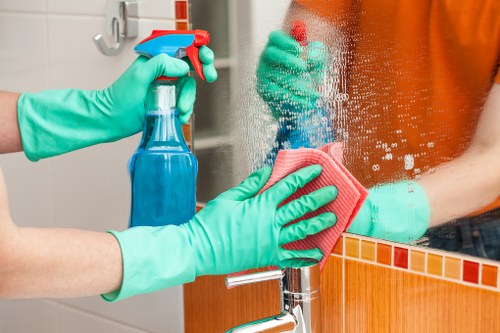
Oven cleaning is one of those household tasks that people often delay, but it has a big impact on both hygiene and performance. A dirty oven can create smoke, unpleasant odors, uneven heating, and stubborn buildup that becomes harder to remove over time. Regular oven cleaning helps keep your kitchen safer, your meals tasting better, and your appliance working efficiently.
When grease, food splatter, and carbonized residue accumulate inside an oven, the appliance has to work harder. That can lead to longer cooking times and higher energy use. More importantly, burnt debris can affect the flavor of dishes and produce strong smells every time the oven is turned on. For households that cook frequently, keeping the oven clean is not just about appearance; it is part of maintaining a healthy cooking environment.
Many people search for oven cleaning services because they want a professional result without spending hours scrubbing. Whether you clean your oven yourself or hire specialists, understanding the process makes it easier to choose the right approach. In busy homes, restaurant kitchens, rental properties, and even holiday lets, proper oven cleaning supports cleanliness, safety, and a better cooking experience.
Signs Your Oven Needs Cleaning
It is not always obvious when an oven needs attention, but several clear signs can tell you it is time for a thorough clean. If you notice smoke while preheating, dark residue on the interior glass, or food taking longer than usual to cook, the appliance may be coated with grease and grime. These issues are common indicators that oven cleaning should be done soon.
Another sign is a persistent burnt smell that appears even when the oven is empty. This often happens when old spills have hardened on the floor or walls of the cavity. In some cases, you may also see sticky patches on racks, discolored heating elements, or a buildup around the door seal. All of these can interfere with performance and should not be ignored.
A quick checklist can help you decide when to schedule cleaning:
- Visible grease on oven glass or metal surfaces
- Smoke during normal cooking
- Unpleasant or burnt odors
- Charred crumbs or food debris inside the oven
- Uneven baking or roasting results
- Racks that feel sticky or look darkened
Benefits of Regular Oven Cleaning
Consistent oven cleaning offers more than a tidy appearance. It improves cooking quality by allowing heat to circulate more evenly. When residue blocks airflow or coats the interior, the oven may struggle to maintain the desired temperature. A clean appliance performs better, which can help baked goods rise properly and roasted meals cook more uniformly.
There are also hygiene benefits. Old food particles can attract pests and harbor bacteria, especially if spills are left to harden for long periods. By maintaining a clean oven, you reduce the risk of contamination and keep the kitchen environment fresher. This is especially important in homes with children, pets, or frequent entertaining.
From a practical perspective, regular cleaning can extend appliance life. Grease and grime are not just surface problems; they can contribute to wear on components, seals, and heating systems. Investing time in professional oven cleaning or routine maintenance may help avoid expensive repairs later. For many households, this simple habit pays off in convenience, performance, and peace of mind.
Popular Oven Cleaning Methods
Manual Cleaning
Manual oven cleaning involves applying a cleaning solution and scrubbing away residue with cloths, sponges, or non-abrasive tools. This method is suitable for light to moderate buildup and allows you to focus on specific problem areas. It usually requires careful attention to corners, racks, the door, and the glass pane.
Many homeowners prefer manual cleaning because it gives them control over the products used. You can choose commercial degreasers, baking soda paste, or mild soap and warm water depending on the type of grime. For safety, it is important to turn the oven off, allow it to cool completely, and avoid harsh materials that could scratch surfaces.
Self-Cleaning Function
Some ovens include a self-cleaning feature that uses very high temperatures to burn residue into ash. While convenient, this method is not suitable for every appliance or every household. It can create strong odors and extra heat in the kitchen, and it may not remove all buildup in a single cycle. Always read the manufacturer’s instructions before using this setting.
Professional Oven Cleaning
Professional oven cleaning is often the best choice for heavily soiled ovens, delicate models, or customers who simply want a deep clean without the effort. Specialists typically dismantle removable parts, apply safe cleaning agents, and remove grease from areas that are difficult to reach. This approach is especially useful for deep-set grime, burnt-on spills, and stubborn stains.
What to Expect from a Professional Oven Cleaning Service

When you book oven cleaning with trained technicians, the service usually begins with an inspection of the appliance type, condition, and level of buildup. This helps determine the products and methods needed. A proper service often includes cleaning the oven interior, racks, trays, door glass, knobs, and sometimes extractor areas nearby, depending on the package.
Professionals may remove detachable parts and soak them in specialized solutions to loosen grease. They can also use non-caustic or low-odor cleaning products designed to be effective while protecting the oven’s finish. Once the grime is lifted, all parts are rinsed, dried, and reassembled carefully. The final result is typically a noticeably fresher appliance with improved visibility and a cleaner cooking space.
Here is a typical step-by-step process:
- Assessment of the oven’s condition
- Removal of shelves, trays, and loose components
- Application of suitable cleaning agents
- Breakdown and removal of burnt grease
- Cleaning of the door, seals, and external touch points
- Reassembly and final polish
If you want reliable results and less hassle, book your service now and enjoy a kitchen that feels refreshed.
DIY Oven Cleaning Tips That Actually Help
For those who prefer handling oven cleaning themselves, consistency matters more than intensity. Small, regular cleanups are easier than one major scrub after months of buildup. Start by removing crumbs and loose debris after the oven cools, then wipe up fresh spills before they harden. This simple routine can significantly reduce effort later.
A popular home method is a baking soda and water paste. Spread it inside the oven, avoiding heating elements, and leave it to work for several hours or overnight. Afterward, wipe it away with a damp cloth. For stubborn areas, add a little white vinegar to help lift residue. This method is often preferred by households looking for a gentler option.
Helpful DIY tips include:
- Always switch off and cool the oven first
- Remove racks before cleaning the cavity
- Use non-scratch pads or soft cloths
- Avoid spraying cleaner directly on fans or electrical parts
- Ventilate the room while working
- Clean the oven door glass regularly to maintain visibility
Common Mistakes to Avoid During Oven Cleaning
Using the Wrong Products
One of the most frequent mistakes in oven cleaning is choosing harsh chemicals that can damage the interior surface or leave behind strong fumes. Some cleaners are too abrasive for enamel finishes, while others may be unsafe if they come into contact with heating elements. Always check labels and use products recommended for ovens.
Scrubbing Too Aggressively
It may be tempting to scrape away tough residue with metal tools, but that can scratch glass, damage coatings, or remove protective finishes. A better approach is to let the cleaner sit long enough to soften the grime. Patience usually works better than force, especially when dealing with baked-on stains.
Skipping the Door Seal
The seal around the oven door often gets overlooked, yet it can collect grease and crumbs. If neglected, it may affect how well the oven holds heat. During routine oven cleaning, gently wipe the seal with a damp cloth and avoid soaking it with liquid.
Other mistakes to avoid include cleaning while the oven is still warm, forgetting to rinse residue thoroughly, and reassembling parts before they are fully dry. These small errors can reduce the effectiveness of your cleaning efforts and may even create safety concerns.
How Often Should You Clean Your Oven?
The ideal frequency for oven cleaning depends on how often you cook and what kind of meals you prepare. A home that bakes regularly, roasts fatty meats, or cooks with cheese-rich dishes will likely need cleaning more often than a kitchen used occasionally. As a general rule, light maintenance should happen weekly, while a deeper clean may be needed every few months.
If spills are frequent, do not wait until the oven looks visibly dirty. Cleaning small messes quickly is far easier than tackling a thick layer of baked-on residue. For busy households, setting a recurring reminder can help keep the appliance in good condition without making the task feel overwhelming.
In high-use environments such as shared kitchens, rental properties, or small food businesses, professional oven cleaning may be scheduled more often to maintain hygiene standards. Regular attention keeps the oven ready for use and reduces the chance of unpleasant surprises during cooking.
Safety Considerations for Oven Cleaning
Safety should always come first during oven cleaning. Before using any product or method, make sure the appliance is completely off and cool. If you are dealing with a gas oven, confirm that controls are shut properly and follow the manufacturer’s advice. Proper ventilation is also important, especially when using stronger degreasers or commercial cleaning products.
Wear gloves if the cleaner may irritate your skin, and keep products away from children and pets. Avoid mixing chemicals, as this can produce harmful fumes. When removing racks or trays, handle them carefully because grease can make surfaces slippery. It is also wise to test a small hidden area before applying a new product to the full oven interior.
Oven cleaning should never put your health or appliance at risk. If the oven is damaged, unusually dirty, or has electrical concerns, it is better to seek professional help rather than attempt a difficult cleanup on your own.
Why Homeowners and Renters Value Clean Ovens
A clean oven creates a better impression in any home. For homeowners, it supports a healthier kitchen and makes everyday cooking more pleasant. For renters, good appliance upkeep can help preserve the condition of the property and avoid issues at move-out inspections. In both cases, oven cleaning supports better living standards and a more organized kitchen routine.
People often underestimate how much a clean oven can change the feel of a room. When the interior is free of smoke stains and burnt residue, the whole kitchen looks fresher. This is especially noticeable in open-plan homes where the oven is visible from living areas. Even if no one notices it right away, the difference in smell, performance, and cleanliness is significant.
For households focused on efficiency, keeping up with oven maintenance can also reduce the chance of last-minute problems before special meals, holidays, or gatherings. A spotless oven is simply one less thing to worry about when cooking matters most.
Choosing the Right Oven Cleaning Option
When to Do It Yourself
DIY oven cleaning works well if the buildup is mild, you have the right tools, and you are comfortable with the task. It can be cost-effective and gives you control over cleaning products. If your oven only has light grease or a few recent spills, a home method may be enough.
When to Call a Professional
Professional help is ideal if the oven has heavy carbon buildup, a strong burnt smell, difficult-to-reach grime, or signs of wear that require careful handling. It is also a smart option if you want fast results, have limited time, or need a deep clean before moving in, moving out, or hosting guests. In these cases, professional oven cleaning can save time and deliver a noticeably better finish.
To choose the best option, consider the oven’s condition, your comfort with cleaning products, and the time you can realistically spend. The right choice is the one that keeps your appliance clean without adding unnecessary stress.
Final Thoughts on Keeping Your Oven in Top Condition
Oven cleaning is one of the most effective ways to improve kitchen hygiene, cooking performance, and appliance longevity. Whether you prefer a DIY method or choose a professional service, regular attention prevents grime from building up and makes future cleaning far easier. A clean oven is more efficient, safer, and more pleasant to use.
By noticing early signs of buildup, avoiding common mistakes, and maintaining a simple cleaning routine, you can keep your oven in excellent condition year-round. For busy homes and anyone facing stubborn residue, professional oven cleaning offers a practical solution that saves time and delivers strong results.
If your oven is overdue for attention, contact us today to take the next step toward a cleaner, fresher kitchen. Book your service now and enjoy the difference a properly cleaned oven can make.